Before Tyler Lackland, MD, entered medicine, most of what she knew about surgery came from movies.
Surgeons seemed intimidating, and operating rooms appeared serious. As someone with a lighthearted personality, Lackland wondered if she would need to become more stoic to belong.
“You had to know everything on day one,” said Lackland, a first-year cardiothoracic surgery resident at Indiana University School of Medicine. “Your hands had to know how to work, and you had to know what you were doing.”
Training in the Department of Surgery revealed a different reality.
“I thought cardiothoracic surgeons were scary, unapproachable and intense,” Lackland said. “What I've learned is that they are regular people with lives and humor.”
Her experience reflects a shift in a field long associated with hierarchies and a specific personality type.
There is no single surgical personality
For Brian Gray, MD, a pediatric surgeon in the Department of Surgery and surgical director of ECMO at Riley Hospital for Children, surgery’s appeal came from caring for the whole patient. As a medical student, he watched surgeons guide patients through operations, treatments and follow-ups.
“I felt like surgeons had a real ability to affect change in a patient’s life through performing an operation or embarking on a care plan and seeing it through,” Gray said.
Gray believes surgeons must be willing to act, but they do not need to look, think or communicate alike.
“I don’t think there is one surgical personality,” Gray said. “There are lots of different personality types that could fit well within surgery.”
Jennifer Choi, MD, associate dean for graduate medical education and professor of clinical surgery, has seen traditional perceptions of surgeons change throughout her career. Today’s surgical culture places greater emphasis on open communication, collaboration and creating an environment where people feel comfortable asking questions.
“Making a safe space for people to ask questions and have conversations helps demonstrate the humanism of the attending physician,” Choi said.
Decisiveness without ego
Surgeons make difficult decisions under pressure, but confidence does not mean refusing to reconsider a plan.
“It is important to stay humble, always learn and take other people’s perspectives into account,” Gray said. “The surgeon has to make the final decision and be confident in a plan moving forward, but that also comes with the necessity to change tactics if something is not working.”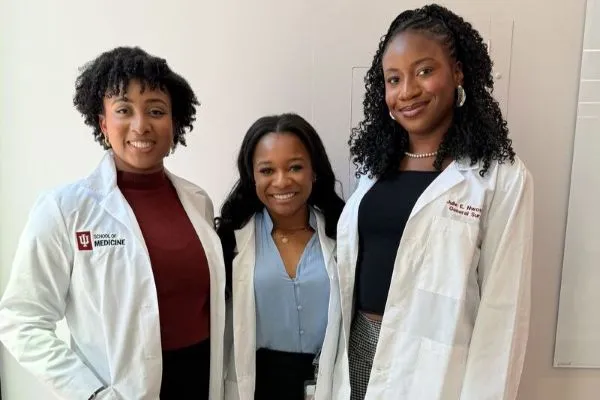
Patient care depends on surgeons, anesthesiologists, nurses and other operating room professionals contributing their expertise.
“You don’t have to have control of everything -- you have to make sure everything is under control,” Lackland said. “Lead where you can, but follow if you have to.”
In pediatric surgery, empathy matters just as much. Surgeons care for children and families navigating some of the most stressful moments of their lives.
“We have to think about all the things that could be going on in another person’s life and consider that when we are taking care of their child,” Gray said.
Changing the culture
Surgical education was once defined by strict layers of authority. As a first-year resident, Choi would not have contacted an attending physician directly with a question. Today, she encourages open communication among students, trainees and faculty.
“It is not efficient, it is not the best thing for learning and it is not the best thing for the patient to go through all those layers,” Choi said. “Now, we are all able to have a conversation.”
The culture has also shifted around life outside the hospital. Choi remembers taking a career assessment as a student that characterized surgeons as people who did not care about family.
“It takes time and planning, but there are ways to have a fulfilling career and take care of your family,” Choi said. “You do not have to give up family to be an outstanding surgeon.”
Lackland is learning balance by being intentional with her time at work and home. For students who wonder if they fit surgery’s traditional image, she offers a direct message.
“Cardiothoracic surgery is intimidating, but it is an accessible career,” Lackland said. “There is a place for everyone. You just have to be intentional about the programs and the culture you are looking for.”